

17th to 19th November, 2026: A three-day capacity-building programme was conducted for governing body officials of ten newly fully registered political parties. The training, run by the Office, aimed to equip the officials with the knowledge and skills necessary to effectively manage their parties in accordance with constitutional, legal and regulatory requirements.

The programme covered key aspects of political party governance, including constitutional and statutory obligations, institutional structures, use of technology, membership management and stakeholder engagement. Participants were also sensitised on managing internal party dynamics, including disputes, coalitions, mergers and other challenges associated with political competition.
Additionally, the officials were taken through their responsibilities in electoral processes, including compliance with statutory timelines, conduct of free and fair party nominations and promotion of inclusive participation by Special Interest Groups (SIGs) in political and governance processes.
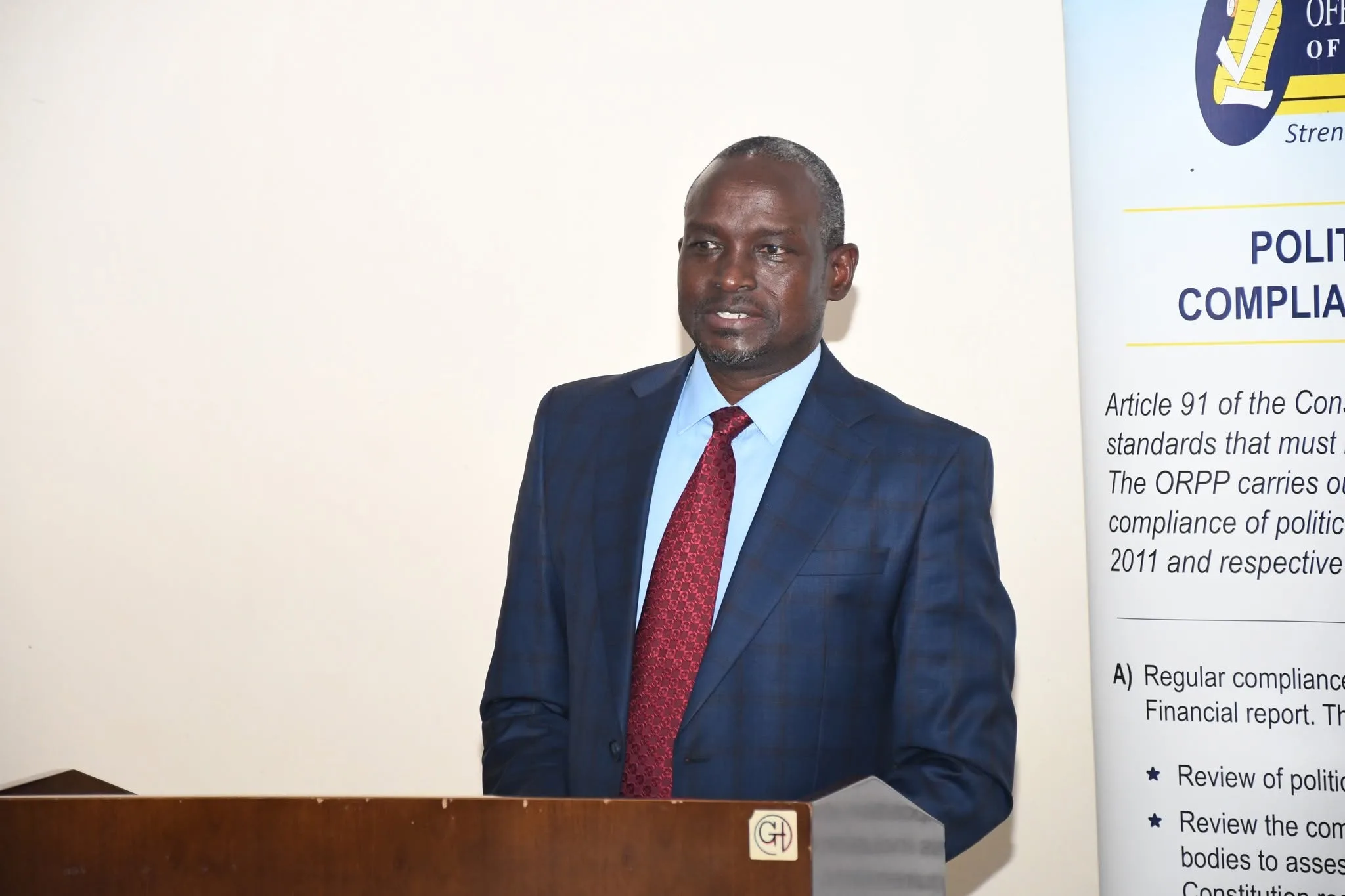
Speaking during the training, Registrar of Political Parties, J.C. Lorionokou, commended the growing number of youth-led political formations registered over the past year. He challenged the officials to build strong, sustainable political institutions rather than viewing political parties merely as vehicles for contesting elections.
“The change you would like to make in government, start by doing so while you are in political parties,” the Registrar remarked.
Drawing comparisons between Kenya and Ethiopia, the Registrar observed that although Kenya has over 100 registered political parties, many share similar ideologies, with notable gaps between their stated principles and practical implementation. He urged the newly registered parties to translate their ideologies and manifestos into practical solutions to the challenges facing Kenyans.
He further emphasised the importance of cohesive, ideology-driven leadership in advancing national development and strengthening democratic governance.
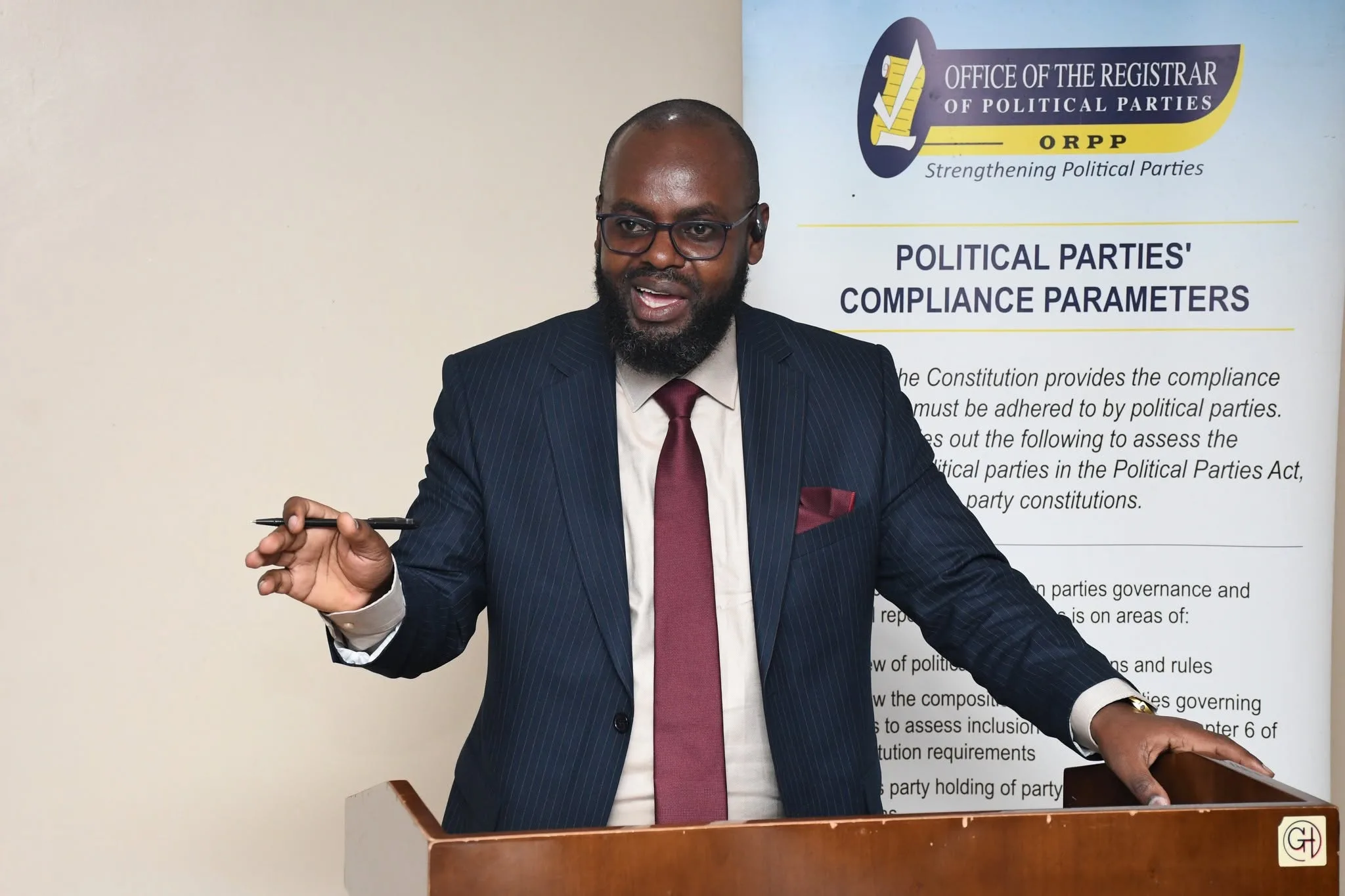
In his opening remarks, ORPP Director of Compliance, D. Kinuthia, underscored the importance of understanding political party structures, governance systems and statutory responsibilities. He encouraged the officials to uphold democratic principles and establish effective internal governance mechanisms to guide their parties.
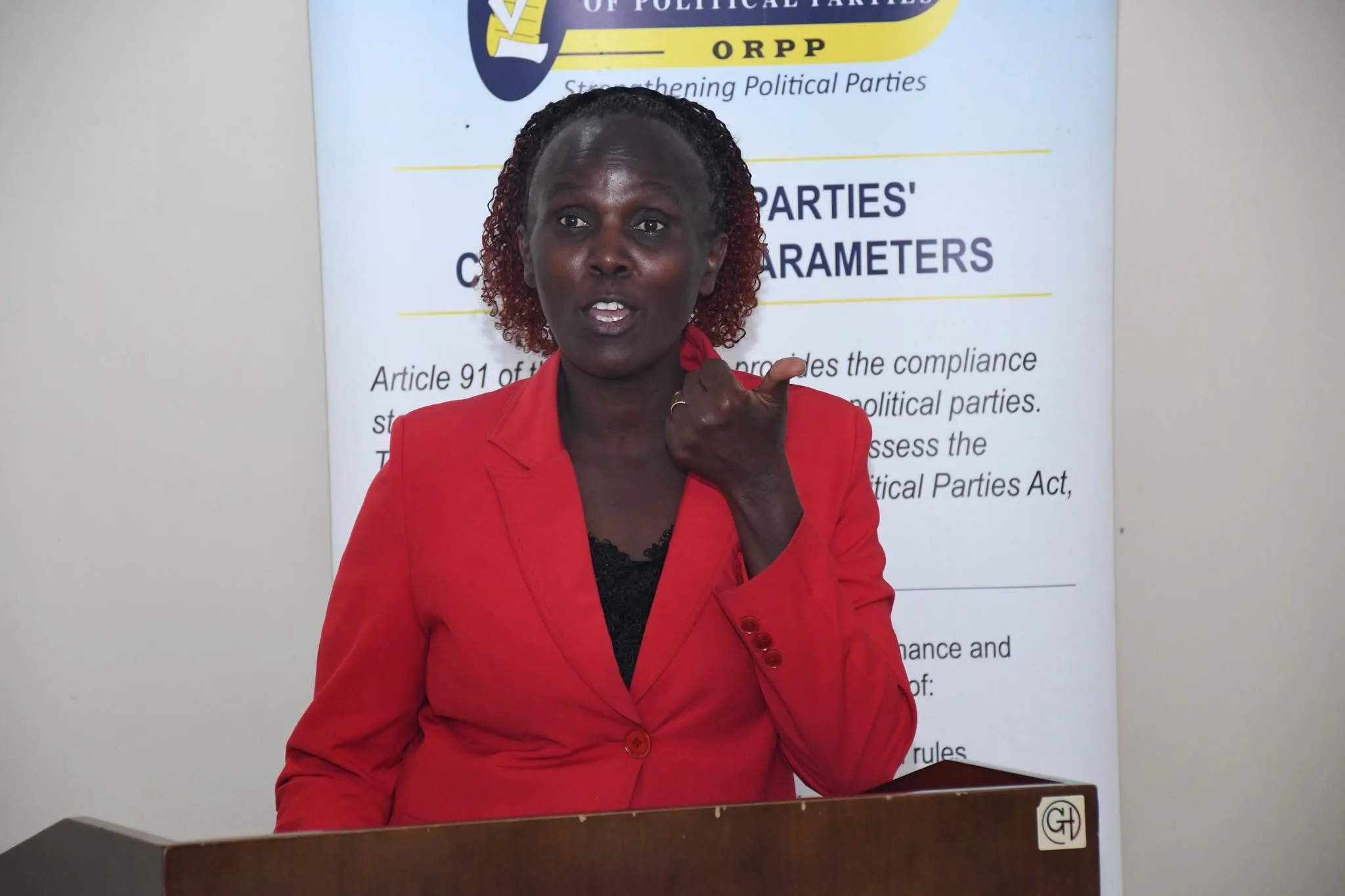

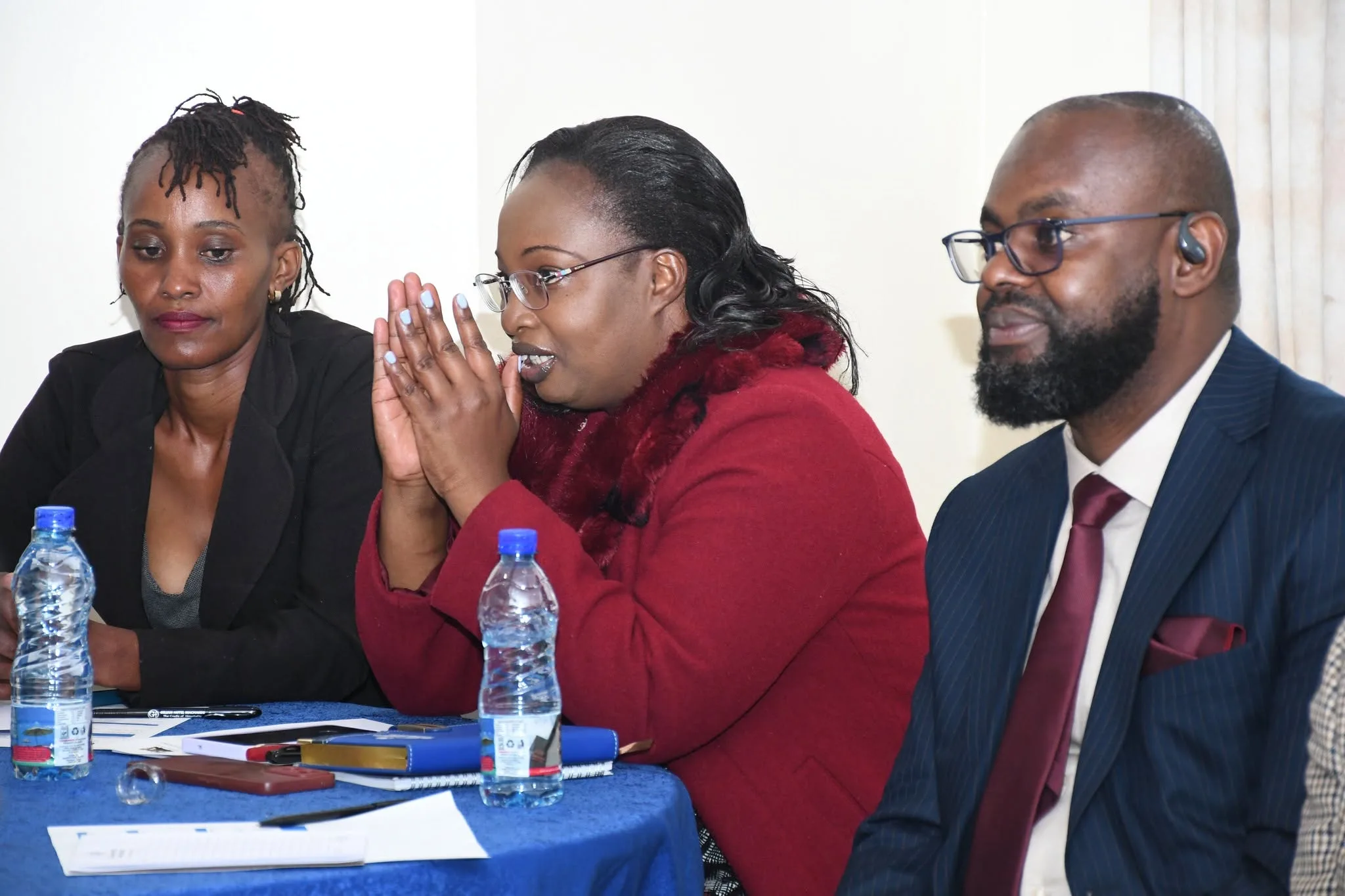
The participating political parties included United Super Alliance Party (USAP), Forward Kenya Party (FKP), Freedom & Opportunity Party (FOP), People’s Prosperity Party (PPP), Mwongozo Mpya Party (MMP), Nationalists Patriotic Party (NP), Forum for Economic Agenda (FEDA), Vision for Development Alliance (VIDA) and Imarisha Uchumi Party (IUP).
The training was organised and coordinated by ORPP’s Political Parties Capacity Building Department, with facilitators drawn from various departments within the Office.